“I can afford the mortgage.”
That sentence stops more first-time buyers than they realize, because it’s only half the math.
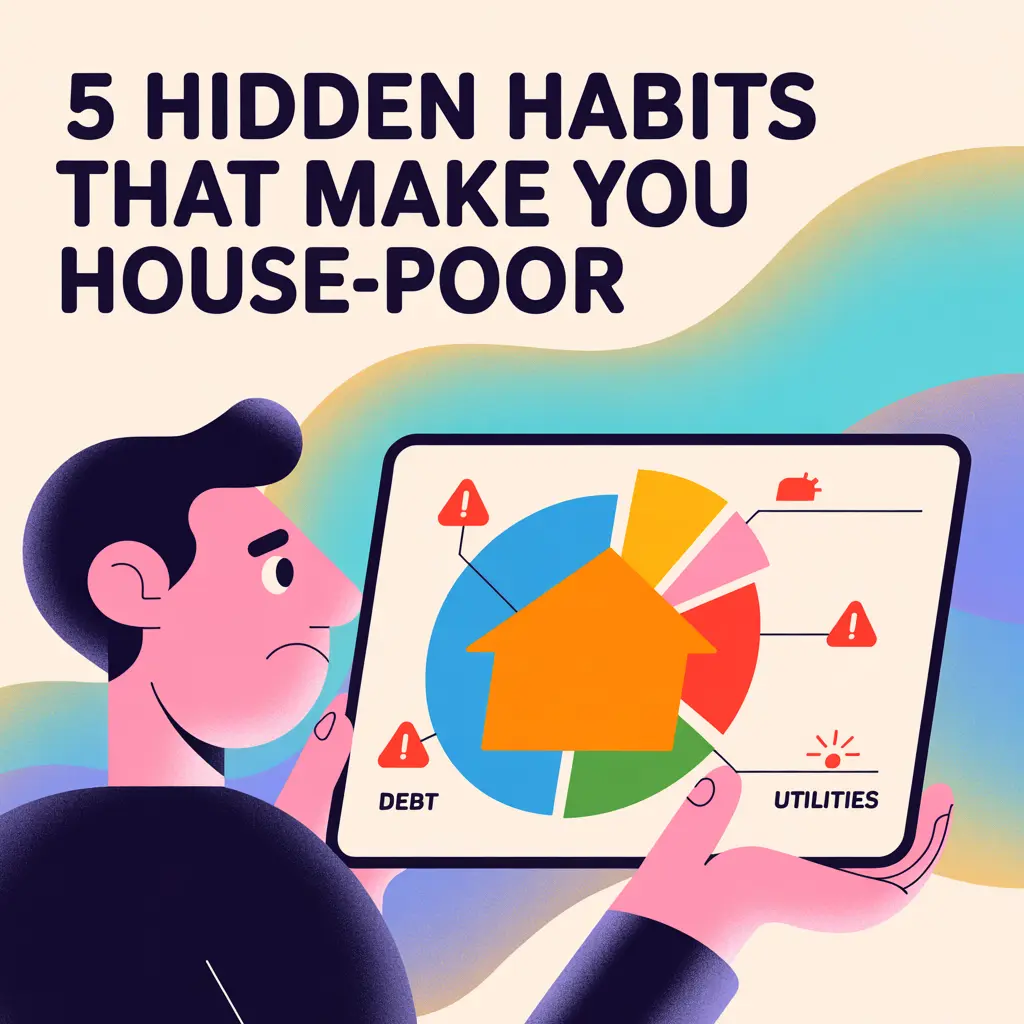
The mortgage payment is the most visible cost of owning a home, but it’s far from the full picture. What quietly trips people up are the ongoing, non-mortgage expenses that show up month after month, year after year. They don’t appear in glossy listing photos or lender ads, yet they often decide whether homeownership is sustainable, or stressful.
Recent national studies estimate that hidden housing costs now add roughly $14,000 to over $21,000 per year on top of the mortgage for the average U.S. homeowner. These aren’t rare or edge-case expenses. They’re routine costs that many renters simply don’t pay, or don’t pay at the same scale, until the keys are already in hand.
That gap is a major reason many financially responsible renters remain stuck on the sidelines. On paper, they qualify. In reality, the full monthly burden stretches their budget past its breaking point.
In the sections below, you’ll see ten of the most surprising expenses that quietly delay or derail first-time buyers, starting with the biggest and most underestimated one of all: maintenance and repairs.
1. Maintenance and Repairs
If there’s one cost category buyers consistently underestimate, it’s maintenance.
Rent trains people to think of repairs as someone else’s problem. The roof leaks? Call the landlord. The water heater fails? Maintenance ticket. Once you own, every small issue, and every big one, lands squarely on your budget.
A common rule of thumb is to budget around 1%–2% of a home’s value per year for maintenance and repairs. On a $400,000 home, that’s $4,000 to $8,000 annually. And that’s not a worst-case scenario, it’s a baseline.
What shocks many first-time owners is how front-loaded these costs can be. The first few years often bring:
- Deferred maintenance from previous owners
- Aging appliances reaching end of life
- HVAC, roofing, plumbing, or electrical issues that inspections don’t fully predict
According to Bankrate’s 2025 hidden homeownership cost analysis, annual maintenance expenses alone averaged about $8,800 per year, making it the single largest non-mortgage cost for many households. In that same breakdown, maintenance often exceeded property taxes, homeowners insurance, and utilities, costs buyers tend to worry about more.
This is where many budgets quietly break. A homeowner may technically afford the monthly mortgage, but a surprise $3,000 repair, or a steady stream of $300–$500 fixes, can wipe out savings, increase credit card balances, and make ownership feel far more expensive than renting ever did.
2. Property Taxes That Climb Over Time
A fixed-rate mortgage creates a comforting illusion: that your housing costs are locked in. In reality, only the loan payment is fixed, and even that doesn’t include one of the fastest-moving expenses in homeownership: property taxes.
Local governments regularly reassess home values to reflect market conditions. When prices rise, tax bills often follow. Add changes in millage rates, voter-approved levies, or shifts in municipal budgets, and homeowners can see steady increases year after year, without buying a bigger home or refinancing a loan.
National estimates place average annual property taxes in the several-thousand-dollar range, with Bankrate’s recent hidden-cost breakdown putting them at roughly $4,000–$4,500 per year as part of the non-mortgage ownership burden. In fast-growing metro areas, that number can be significantly higher.
The real problem shows up after the purchase. Many first-time buyers are pre-approved using current tax figures that reflect an older, lower assessed value. Once the home is reassessed at its new purchase price, the tax bill jumps, and so does the monthly payment. That increase can quietly push total housing costs beyond what the buyer originally budgeted for.
This is one of the most common blind spots in mortgage pre-approval. Buyers focus on qualifying for the loan, not on whether future tax increases will remain manageable five or ten years down the road. For households already stretching to buy, even a modest tax hike can strain cash flow and stall long-term financial goals.
3. Homeowners Insurance and Extra Coverage
Homeowners insurance is required by lenders, but the version many buyers price out before closing is often the bare minimum, not the coverage they actually need.
At a basic level, insurance protects the structure and satisfies the bank. In the real world, homeowners frequently add:
- Higher liability limits
- Replacement-cost coverage instead of actual cash value
- Riders for valuables like electronics, jewelry, or equipment
In certain regions, standard insurance isn’t enough at all. Flood, wind, hurricane, earthquake, or wildfire coverage may require separate policies, adding hundreds, or thousands, of dollars per year to the total bill.
Bankrate’s 2025 estimates put average homeowners insurance costs above $2,200 annually, but that figure can rise quickly depending on location and claims history. Disaster-prone states, coastal areas, and high-risk zones are seeing particularly sharp premium increases.
Another overlooked risk: post-claim premium spikes. Filing a claim, especially for water damage or weather-related losses, can raise future premiums or make coverage harder to renew. For new homeowners, one early claim can permanently change the cost profile of their home.
Because insurance is usually bundled into escrow, increases often feel invisible at first. The monthly payment creeps up, the reason isn’t always obvious, and affordability quietly erodes, one adjustment at a time.
4. Utilities, Internet, and “Set-Up” Bills
For many renters, utilities are partially hidden. Water might be included. Trash is someone else’s line item. Sometimes even heat or internet is bundled into the rent. Homeownership flips that switch overnight, every service becomes your responsibility, in full, every month.
Once the mortgage is signed, new owners are suddenly paying for electricity, gas, water, sewer, trash, and recycling, plus internet and often cable. National estimates consistently place these costs in the several-thousand-dollar-per-year range. Bankrate’s ownership cost breakdown cites roughly $4,000–$4,500 annually for utilities and energy, with an additional $1,000–$1,500 per year for internet and cable depending on location and provider.
What catches many buyers off guard isn’t just the ongoing bills, it’s the up-front setup costs. New accounts often require:
- Connection or activation fees
- Equipment rentals or purchases
- Security deposits based on credit or usage history
Those one-time charges can stack up quickly during the first few months, right when cash reserves are already depleted from closing costs and move-in expenses.
These costs surprise new owners because they’re rarely emphasized during the buying process. Utilities don’t show up in mortgage pre-approvals, and connectivity costs feel small individually, but together, they form a steady drain on monthly cash flow that renters simply didn’t experience before.
5. HOA, Condo, and Community Fees
Homeowners association (HOA) fees often sound reasonable in theory. They promise maintained grounds, shared amenities, and fewer personal upkeep responsibilities. In practice, they’re one of the most underestimated recurring costs in modern housing.
HOA dues typically cover items like landscaping, exterior maintenance, pools, gyms, security, snow removal, and shared infrastructure. Monthly fees can range from under $100 to several hundred dollars, depending on the community, and they almost always rise over time as costs increase or reserves run low.
Then there are special assessments. These are one-time charges levied when major projects arise, roof replacements, road repairs, structural updates, that the HOA’s reserve fund can’t fully cover. A buyer budgeting only for monthly dues can be blindsided by a sudden multi-thousand-dollar bill.
HOAs also affect affordability before the purchase even happens. Lenders factor monthly dues into debt-to-income ratios, which can reduce how much a buyer qualifies for, or disqualify them entirely. A home that looks affordable on paper may fail underwriting once HOA fees are added to the equation.
Newer developments are especially tricky. They often start with artificially low dues to attract buyers, then raise fees significantly as amenities age and maintenance costs become clearer. Over time, what seemed like a modest add-on can become a permanent drag on affordability.
6. Closing Costs and Up-Front Fees
The down payment gets all the attention, but for many buyers, closing costs are the real shock.
Closing costs include a wide range of fees required to finalize the purchase: lender origination charges, appraisal fees, credit checks, title insurance, escrow services, recording fees, transfer taxes, and various administrative costs. On top of that, buyers are often required to prepay certain items at closing, which inflates the amount due.
Most guidance places typical closing costs at about 2% to 5% of the purchase price. On a $350,000 home, that’s roughly $7,000 to $17,500, in addition to the down payment. For first-time buyers who spent months scraping together a down payment, this extra cash requirement can feel overwhelming.
What surprises many buyers most are prepaid items. These can include:
- Several months of property taxes
- Homeowners insurance premiums
- Initial escrow funding for future tax and insurance payments
These aren’t optional, and they don’t reduce the loan balance. They’re simply the price of getting to the closing table.
This is why cash-to-close kills so many deals. Buyers may qualify for the mortgage, pass underwriting, and even negotiate the price, only to realize they don’t have enough liquid cash to cover everything due at signing. In tight markets, where seller concessions are rare, that gap can be enough to derail the entire purchase.
7. Furniture, Appliances, and Home Setup
Many renters imagine that once closing day passes, the big spending is over. In reality, ownership often triggers a fresh, and expensive, spending cycle.
Unlike rentals, homes don’t always come fully equipped. Buyers are often responsible for purchasing major appliances like refrigerators, washers, dryers, or even stoves, items that can cost thousands when bought all at once. Even when appliances are included, they’re frequently older and closer to replacement than expected.
Early ownership is also when appliance failures are most common. Water heaters, HVAC systems, and kitchen appliances may have been functional during inspection but fail within the first few years, forcing unplanned replacements that strain new homeowners’ budgets.
Beyond appliances, there’s the reality of furnishing a larger or more permanent space. Extra bedrooms, outdoor areas, garages, and storage needs quickly turn into furniture purchases, tools, window coverings, and maintenance equipment, costs renters rarely face.
The mistake many buyers make is budgeting for move-in day, not for the months that follow. Sustainable homeownership requires planning for setup and replacement costs well beyond the closing date, not assuming the spending stops once the keys are handed over.
8. Landscaping, Seasonal, and Exterior Care
A yard looks great in listing photos. Living with it is another story.
Renters are largely insulated from outdoor upkeep. Lawns, snow, gutters, trees, fences, these are usually handled by a landlord or property manager. Homeownership transfers all of those responsibilities directly to the owner, turning curb appeal into an ongoing expense.
Regular costs can include lawn mowing, landscaping, irrigation, leaf removal, gutter cleaning, and pest control. In colder climates, snow removal becomes a seasonal necessity. In hotter or storm-prone regions, homeowners face higher water usage, heat-related wear, and post-storm cleanup. These climate-driven costs vary widely but are unavoidable once you own.
HOAs and local municipalities often add another layer. Some require professionally maintained lawns, specific landscaping standards, or prompt snow and debris removal. Failing to comply can lead to fines, turning what feels optional into a mandatory expense.
These costs rarely exist in isolation. Landscaping and exterior care often get folded into broader maintenance budgets, helping explain why national surveys show homeowners spending well over $1,000 per month on non-mortgage ownership costs when everything is tallied. What starts as a few hundred dollars here and there compounds quickly, especially when paired with routine repairs and seasonal upkeep.
9. Student Loans and Other Debts Blocking Savings
For many would-be buyers, the biggest obstacle to homeownership isn’t a surprise repair, it’s never getting to the starting line in the first place.
Student loans, auto loans, and revolving credit balances absorb a large share of monthly income, leaving less room to save for a down payment or emergency fund. Even when incomes rise, debt obligations often rise alongside them, stretching budgets thin long before ownership costs enter the picture.
Surveys of younger generations consistently show this dynamic at work. A significant share of Gen Z and millennial renters say they need to pay down student debt before buying a home, while others cite their inability to save enough cash as the primary barrier. The timeline to ownership stretches from years into decades, not because of poor financial habits, but because fixed obligations crowd out saving capacity.
This creates a dangerous misconception: qualifying doesn’t mean ready. A borrower may meet a lender’s debt-to-income requirements and receive a pre-approval, yet still lack the cash reserves needed to absorb closing costs, maintenance, and early ownership surprises. Without that buffer, even a technically “affordable” home becomes financially fragile.
Understanding this gap helps explain why many financially disciplined renters delay buying, even when they want to own. The barrier isn’t just price. It’s the weight of existing debt combined with the full, all-in cost of ownership.
10. Inflation, High Rates, and “Lifestyle” Costs
Even buyers who navigate every individual expense can still be priced out by forces that don’t show up as a single line item.
Mortgage rates more than doubled from their pandemic-era lows, dramatically changing what “affordable” looks like. By 2024, typical monthly payments on newly purchased homes climbed into the high-$2,000 range, while wage growth lagged far behind. The result is a widening gap between what homes cost to carry and what households actually earn.
At the same time, inflation has pushed up nearly every supporting cost of ownership. Insurance premiums have surged in many states. Utility prices fluctuate but trend upward. Services homeowners rely on, repairs, contractors, childcare, transportation, have all become more expensive. Each increase may feel manageable on its own, but together they reshape the true monthly burden of owning a home.
This is where the difference between lender math and household reality becomes painfully clear. Mortgage approvals are based on formulas and ratios. They don’t account for rising grocery bills, childcare costs, or the emotional toll of having no financial breathing room. A buyer can be fully approved on paper and still be one unexpected expense away from financial stress.
That’s why so many households feel priced out despite approval. They aren’t failing to qualify, they’re choosing not to stretch themselves into a situation that leaves no margin for error. In an environment of high rates and persistent inflation, caution isn’t pessimism. It’s financial self-preservation.
Why the Mortgage Is Only the Beginning
Homeownership isn’t just a mortgage, it’s a stack of recurring commitments that extend far beyond the loan payment.
When buyers focus only on the mortgage, they underestimate the financial weight of maintenance, taxes, insurance, utilities, fees, and inflation-driven lifestyle costs. The result isn’t just sticker shock, it’s delayed timelines, failed purchases, or buyers choosing to wait rather than risk instability.
Awareness beats optimism every time. Understanding the full cost of ownership doesn’t mean giving up on buying a home, it means planning realistically, setting better expectations, and choosing a price point that supports long-term stability, not short-term approval.
For many renters, this clarity changes everything. It reframes homeownership from a race to qualify into a deliberate financial milestone, one that’s reached with savings intact, stress reduced, and flexibility preserved.
If you’re serious about buying, the next step isn’t guessing, it’s running the numbers. Use affordability calculators, review your full monthly budget, and pressure-test your plan against real-world costs. The right home isn’t the one a lender says you can buy. It’s the one you can afford to live in, comfortably.